GSA SER Contextual Backlinks
Understanding GSA SER Contextual Backlinks
In the world of automated link building, GSA Search Engine Ranker has maintained a formidable reputation for speed and volume. However, the landscape has shifted dramatically toward quality and relevance. This is where the concept of GSA SER contextual backlinks comes into play, transforming the tool from a generic spam cannon into a precision instrument capable of building meaningful, in-content links.
A contextual backlink is a link surrounded by relevant text within the body of an article or a blog post. Unlike profile links, comment signatures, or forum footers, these links are embedded where they carry editorial weight. When you configure GSA SER to focus specifically on this link type, you are essentially filtering out the noise and chasing placements that search engines value the most.
Why Contextual Links Outperform Other Link Types
Search algorithms have become extremely sophisticated at identifying link intent. A link sitting in a sidebar or a random blogroll does not convey the same trust signal as one naturally woven into a paragraph of unique content. Here is why GSA SER contextual backlinks are superior to generic automated links:
- Topical Relevance: The surrounding text provides semantic signals that connect your page to a specific topic cluster.
- Higher Crawl Priority: Search engine bots crawl in-content links more frequently and assign them more weight in indexing pipelines.
- Click-Through Rate Potential: A reader engaged with an article is infinitely more likely to click a relevant recommendation than a banner ad.
- Link Juice Flow: A link from within a body of a well-structured page passes significantly more equity than a link from a crowded footer.
Configuring GSA SER for True Contextual Placements
GSA SER does not automatically build contextual links unless you click here intentionally steer it away from low-tier platforms. To generate high-quality GSA SER contextual backlinks, you must optimize your project settings with surgical precision. The goal is to target platforms that allow you to post full articles, not just blurbs.
1. Select the Right Platforms
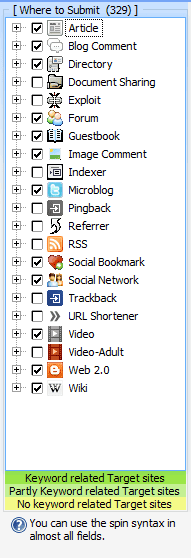
Disable engines that produce non-contextual links. Uncheck image comments, guestbooks, and link directories. Instead, focus entirely on engines that support article submission, blog networks, and social network posts with body text. Platforms like Article Script, Drupal blogs, and certain Web 2.0 properties are ideal for contextual injections.
2. Master the Article Manager
The Article Manager is your weapon of mass creation. To get true contextual links, you cannot use a single spun sentence. You need a diverse pool of highly readable, long-form content. Populate the manager with multiple paragraphs built from spun syntax at the sentence and paragraph level. Insert the link naturally inside a sentence that makes sense regardless of the spin variation.
3. Customize the Anchor Text Strategy
Generic and exact-match anchors are a red flag. For contextual links to look natural, you need a high ratio of branded, naked URL, and long-tail phrase anchors. Configure GSA SER to pull anchors that blend seamlessly into the flow of a paragraph. A link within a sentence like "according to a detailed guide on [Brand Name], the methodology has proven effective" reads much more organically than "click here for best SEO tips."
4. Utilize Advanced Posting Filters
Even when targeting contextual engines, you must enforce quality. Use the filter to require a minimum number of words on the page before your link is placed. A page with only 50 words of content is hardly contextual. Set the minimum word count high (300+ words) to ensure the engine can actually place your link deep inside a substantial body of text.
Overcoming the Big Challenge: Indexing
Building GSA SER contextual backlinks is only half the battle. Because the links are often built on unproven or lower-tier platforms, Google may not discover them naturally. An aggressive tiered linking strategy is necessary. You can use GSA SER to build a second tier of links pointing directly to these contextual posts. Pair this with a reliable indexing service or build a strategic sitemap assault using a tool like GSA SEO Indexer to force crawler visits.
Frequently Asked Questions
Can GSA SER really build links inside articles?
Yes. When configured to target platforms like Article Script, certain social networks, and Web 2.0 blogs, GSA SER uses the account creation and posting module to submit full articles. The link is placed within the body of the content, creating a true GSA SER contextual backlinks profile.
Are GSA contextual links safe for a primary money site?
Directly blasting a money site with automated links is high-risk, even if they are contextual. Most advanced users use these contextual links as a powerful Tier 1 buffer, pointing them to Web 2.0 properties or high-authority social profiles, and then linking those buffers to the money site to filter risk.
What is the difference between a contextual link and a guest post?
A guest post is a type of contextual link, but usually involves manual outreach and editorial approval. GSA SER contextual backlinks are automated placements, often on platforms that auto-approve content. The risk-reward balance is different, with GSA SER favoring volume and guest posts favoring manual vetting.
How do I keep my contextual content readable?
Avoid single-word spinning. Use the Article Manager to import multiple unique, hand-written articles. Use spintax only for synonyms and minor phrase variations, not entire sentences. The more readable and unique the content, the longer the contextual page survives and the more trust the search engine assigns to the outbound link.
Do contextual links require specific proxies?
Absolutely. Since you are posting content, the platforms often log the IP of the submitter. If you are building high volumes of GSA SER contextual backlinks, you must use dedicated or semi-dedicated proxies that are not flagged for spam to prevent immediate account deletion.